The Revolution We Believe In
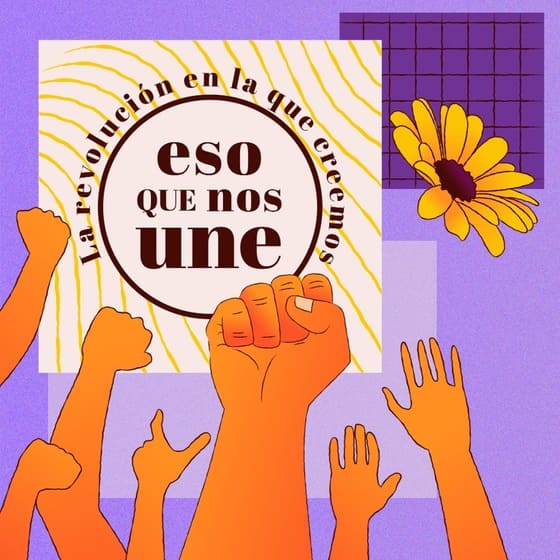
The Revolution We Believe In
| Blog | Philosophy |
In the West, the word “Revolution” evokes the French Revolution, one of the culminating moments of the modernization process. The previous order, headed by a monarchy, was violently called into question, along with the religious institutions that had legitimized it. Truth was expected to be scientific and enlightened.
It also evokes the Industrial Revolution, the process that transformed the way society organized itself to sustain its own existence: the rise of machines, factories, new working classes, and a stratified society with merit as its justification.
And, of course, it also recalls the leftist movements of the second half of the twentieth century which, inspired by ideas that challenged the order resulting from the two revolutions mentioned above, sought to create a new society where equality would prevail. And they attempted to impose it by force.
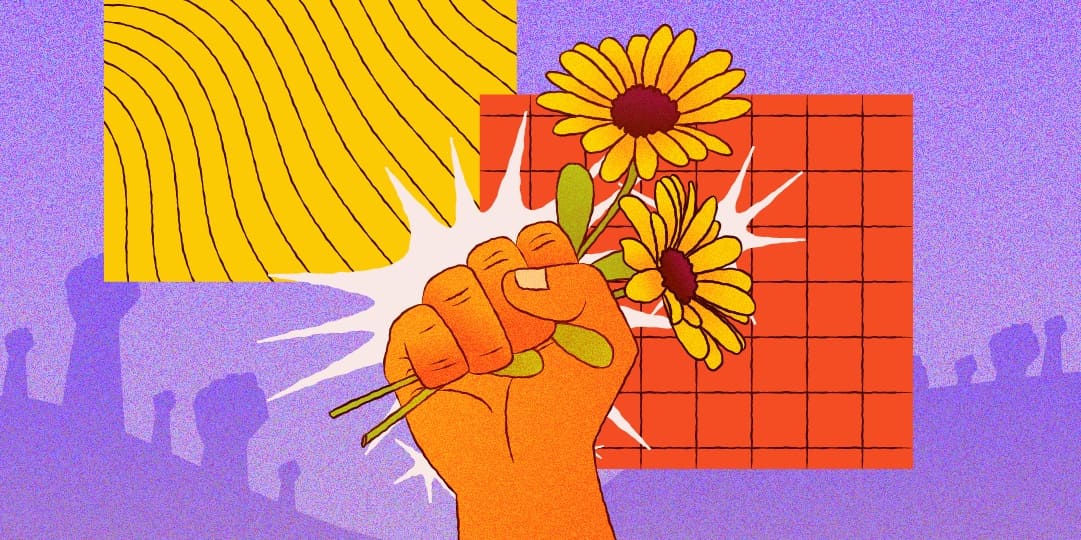
But the word “revolution” has a more universal meaning that should not be trapped by those or any other ideological burdens. Etymologically, it means “a turning.” In other words: turning things upside down, questioning the established order and what is expected of us, moving in the opposite direction or toward a different path than the one we are told to follow.
That is why our idea of revolution challenges what is established, beginning with the very concept of revolution. But it also challenges the tyrannies of the market and utility, the social dynamics that polarize and divide, the trends that turn hatred into a tool of identity, and the mechanisms that scatter our attention so that we stop thinking about what truly matters.
The Pixelatl Manifesto for 2026, which we will be sharing in parts over the coming days, brings together the reflections we have shared and sought to put into practice throughout Pixelatl’s fifteen years. The revolution we believe in.
This time, the manifesto takes a different form: phrases or statements that each summarize reflections and principles we believe in. For that reason, and in an effort to explain them a little more fully, we have decided to publish it in parts, with one article dedicated to each phrase. Check out the second article